
Description
What we know
-
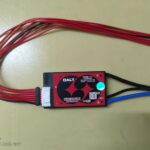
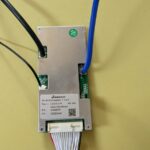
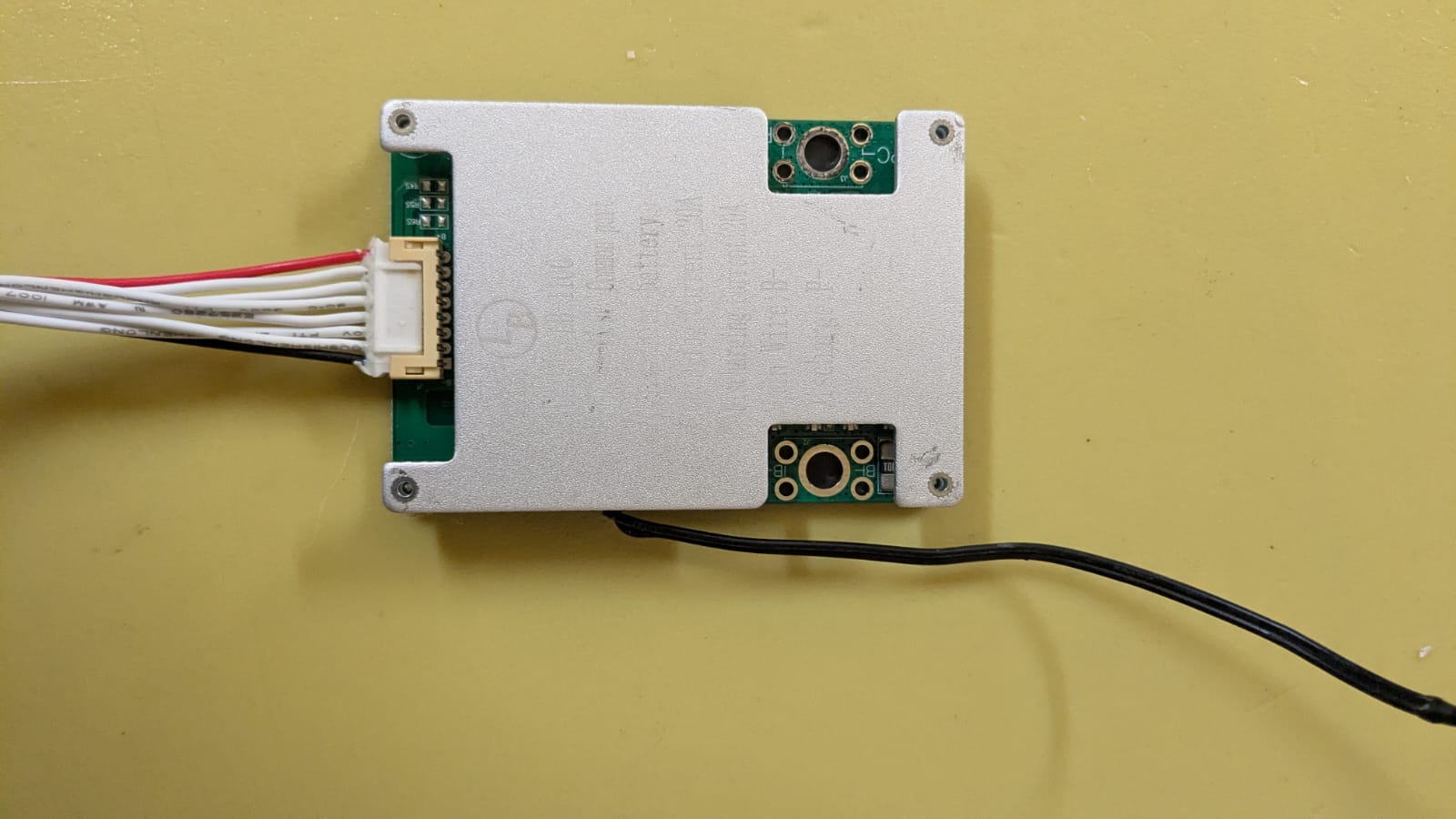
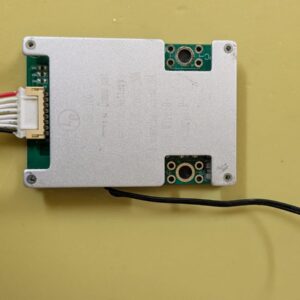
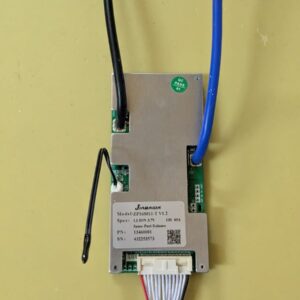
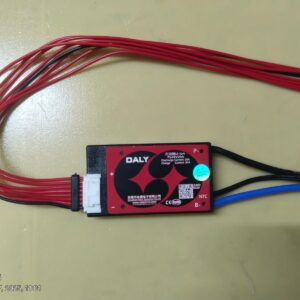
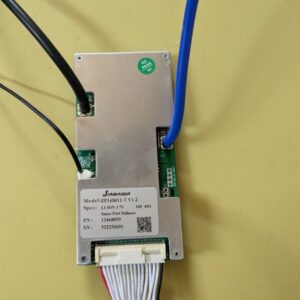
This BMS is specified for a 7-cell in series (7S) Li-ion/NMC pack (nominal ~25.9 V, full charge ~29.4 V) according to the listing.
-
Continuous current rating stated as 20 A in the listing.
-
It offers major protections: over-charge, over-discharge, overcurrent, short circuit, temperature (as per listing features).
-
It supports passive balancing of cells to maintain pack uniformity.
-
The vendor in India shows a price around ₹719 (incl. GST) and stock.
⚠️ What to verify / caveats
Before you integrate this BMS into your battery pack/project, there are a few things you absolutely should check:
-
Series and Chemistry match
-
This board is for 7S NMC (Li-ion) packs. If your pack is a different series count (for example 8S, 10S etc) it will not align with correct voltage cut-offs.
-
If your cells are a different chemistry (e.g., LFP) the BMS may not be suitable because voltages differ. For instance, one Reddit post warns:
“They are not interchangeable. … You need to pick up a new one for LiFePo4.”
-
-
Check real continuous vs surge current
-
It says 20 A continuous, but in real-life applications loads can surge beyond that (motors, controllers, etc).
-
One spec page shows “Discharge Current: 10 continuous, for 10sec: 30 max”. So make sure you review the full spec sheet for your specific unit because there may be discrepancies.
-
-
Wiring / balance lead / install layout
-
For a 7S pack you will have a balance connector with 8 leads (B-, B1+, B2+, … B7+). Ensure you wire exactly as per the BMS datasheet.
-
Make sure high current wires, correct gauge, good soldering or welding, proper thermal considerations.
-
-
Charge criteria & cut-offs
-
The listing shows an over-charge protect at ~29.4 V (which corresponds to ~4.2 V per cell) and over-discharge protect at ~21 V (~3.0 V per cell) in one spec sheet.
-
Verify cell manufacturer’s voltage spec for your cells. If your cells are rated for different max/min voltages you may want a BMS that matches those exactly.
-
-
Thermal & environment conditions
-
At 20A continuous, there will be heat generated in the MOSFETs and paths. Ensure proper ventilation, mounting on insulating yet thermally safe backing.
-
Consider ambient temperature. If the system will see hot/harsh conditions (e.g., in EV under seat or outdoors), check the board’s allowed ambient temperature range.
-
-
Warranty & vendor authenticity
-
The listing shows in one case only 15 days warranty. For a critical application (EV, etc) you might prefer longer warranty/support.
-
Ensure you buy from a trusted vendor; verify you are getting the correct model (7S 20A NMC) and not a mislabeled variant.
-
🎯 Suitability for your use case
Given your earlier mentions of EV / battery-pack use, here’s how I’d evaluate it for your specific scenario:
-
If you are building a 7S (~25.9 V nominal) NMC pack, and your expected continuous load is up to ~20A (and surges not much higher) this BMS can be a good fit.
-
If your load is higher (say 30-40A continuous or big surge currents) then this board may be the bottleneck; you might want a higher-current version (30-40A or more) or dual parallel BMS boards (but that adds complexity).
-
If your pack is not 7S (for example you need 8S, 10S, 12S, etc), then this is not suitable and you will need to pick a BMS with matching series count.
-
If your application is an EV (with motor, high start current, frequent high loads) I’d lean toward a BMS rated for significantly above your peak load (so you have margin) and perhaps with “smart” monitoring features if you want telemetry.
-
For static ESS (energy storage) or moderate loads (e-bike, light scooter) this board could be quite cost-effective.
Reviews
There are no reviews yet.